How to Demagnetize a Ferrite Magnet?
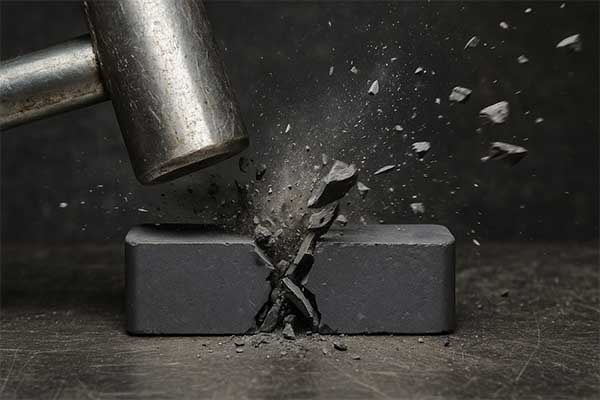
Ferrite magnets are widely used but sometimes need demagnetizing. Knowing how to do this safely is essential to avoid damage or loss of material value.
Ferrite magnets can be demagnetized by heating above their Curie temperature, applying strong alternating magnetic fields[1], or mechanical shock. Heating above 250°C[2] or using AC demagnetization effectively[3] disrupts magnetic domains without destroying the magnet’s structure.
Let’s dive deeper into ferrite magnets and demagnetization methods.
Table of Contents
How to Demagnetize a Magnet?
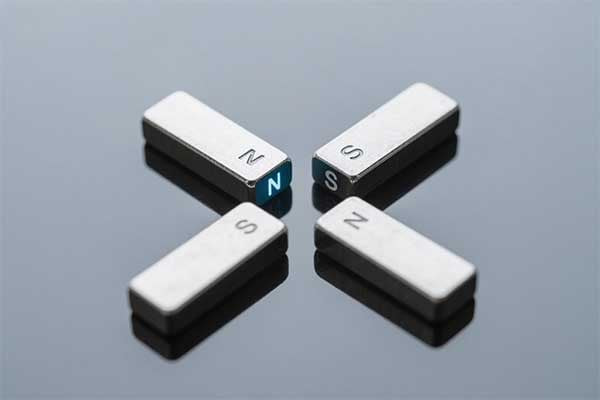
A common question is how to demagnetize a ferrite magnet. This process can be useful for recycling or reusing magnets, but it must be done carefully.
Demagnetizing a magnet involves exposing it to a strong opposing magnetic field or heat. Applying a reverse magnetic field weakens the magnet’s magnetic domains, reducing its magnetic strength. Heating the magnet above its Curie temperature also causes it to lose magnetization permanently.
Demagnetization can be necessary when magnets become demagnetize or lose their magnetism over time. It can also help in recycling materials or preparing magnets for re-magnetization with different properties. However, improper methods can damage the magnet or cause safety hazards.
Deep Dive into Demagnetization Methods
Demagnetizing a magnet requires understanding its magnetic properties and the best techniques. The process involves either applying an alternating magnetic field or heat treatment. The goal is to disrupt the magnetic domains inside the magnet so they no longer align to produce a magnetic field.
The most common method is using an AC demagnetizer[4], also called a degausser. This device generates a rapidly decreasing alternating magnetic field. When the magnet is exposed to this field, the magnetic domains become randomized, reducing the overall magnetism. The process must be done carefully to avoid damaging the magnet or causing demagnetization to spread to nearby objects.
Another method is heating the magnet above its Curie temperature[5]. For ferrite magnets, this temperature is around 450°C. Heating causes the magnetic domains to become disordered and lose their alignment. Once cooled, the magnet remains demagnetized. This method is permanent but requires high temperatures and proper safety measures.
It is important to note that improper demagnetization can cause the magnet to become partially demagnetized or even demagnetize unevenly. This can lead to weak spots or residual magnetism, which might still cause issues. Also, strong magnetic fields can cause the magnet to demagnetize unevenly, leading to a loss of performance.
Precautions and Considerations
When demagnetizing ferrite magnets, safety is critical. The process involves strong magnetic fields or high temperatures, which can cause injury or damage electronic devices nearby. Always wear protective gear and work in a safe environment. Keep electronic devices away to avoid interference or damage from stray magnetic fields.
The process can also cause the magnet to become fragile or brittle, especially if heated too much or too quickly. Proper equipment and controlled environments are essential. At M-Magnet, we recommend consulting professional tools and following safety guidelines to ensure effective and safe demagnetization.
Understanding how to demagnetize a ferrite magnet involves balancing safety, effectiveness, and environmental considerations. Proper techniques help recycle or reuse magnets while avoiding damage or hazards. Carefully choosing the right method based on the magnet’s size, material, and purpose is crucial for success.
Are ferrite magnets the same as ceramic magnets?
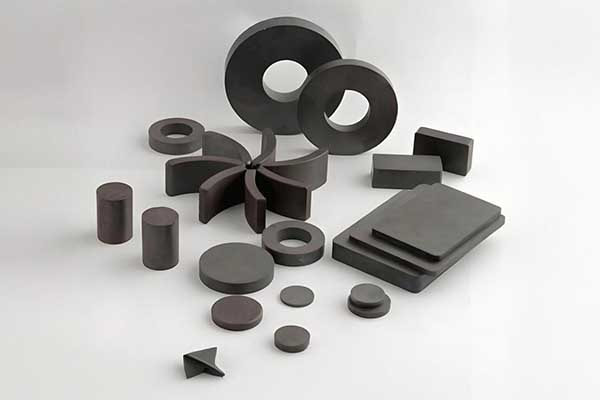
Ferrite magnets and ceramic magnets are often considered the same. But what exactly links them?
Ferrite magnets are indeed ceramic magnets. They are made from iron oxide mixed with strontium or barium carbonate. This ceramic composition gives them high corrosion resistance and low cost but also makes them brittle.
Ferrite magnets were developed in the 1960s as a cheap alternative to metallic magnets. They are one of the permanent magnet types typically derived from the combination of an iron oxide (Fe3O4) and other elements.Their ceramic nature means they are hard and brittle, which limits their mechanical strength. However, they resist corrosion well and maintain magnetism under many conditions. This makes them popular in motors, magnetic separators, and sensors.
Ferrite vs Ceramic Magnet Properties
Ferrite magnets’ ceramic makeup affects their magnetic and physical properties. Their brittleness means they can chip or break under stress, unlike metal magnets. But their corrosion resistance[6] is excellent, often requiring no protective coatings.
Comparison of Ferrite (Ceramic) Magnet Properties
| Property | Ferrite (Ceramic) Magnet |
|---|---|
| Composition[7] | Iron oxide + strontium/barium carbonate |
| Magnetic Strength[8] | Moderate, weaker than rare earth magnets |
| Corrosion Resistance | High, usually no coating needed |
| Mechanical Strength | Brittle, prone to chipping |
| Cost | Low, cost-effective for many uses |
Understanding that ferrite magnets are ceramic helps explain their strengths and weaknesses. Their brittleness and moderate magnetic strength limit some uses but make them ideal for cost-sensitive, corrosion-prone environments. At M-Magnet, we leverage these traits to supply tailored ferrite magnet solutions.
How long do ferrite magnets last?
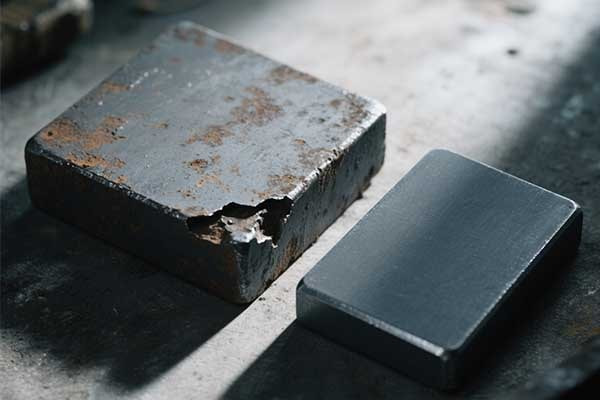
People often ask how long ferrite magnets keep their magnetism[9]. This matters for product reliability and replacement planning.
Ferrite magnets can last decades[10] if used properly. Their corrosion resistance and resistance to demagnetization help maintain magnetic strength over long periods. However, exposure to heat, strong magnetic fields, or mechanical damage can shorten their lifespan.
The natural aging of magnets, called magnetic creep, causes slow loss of magnetism over many years. In typical environments, ferrite magnets remain stable for 20 years or more. Proper handling and avoiding extreme conditions extend their effective life.
Factors Influencing Ferrite Magnet Lifespan[11]
Several factors affect how long ferrite magnets last. Environmental conditions, mechanical stress, and exposure to external magnetic fields all play roles. Heat above 250°C can cause permanent demagnetization by exceeding the Curie temperature.
Factors Affecting Ferrite Magnet Lifespan
| Factor | Effect on Lifespan |
|---|---|
| Temperature | High heat reduces magnetism, risk of demagnetize |
| Mechanical Stress | Cracks or chips reduce magnetic performance |
| External Magnetic Fields[12] | Strong fields can partially demagnetize |
| Corrosion | Minimal due to ferrite’s corrosion resistance |
We recommend proper storage and use conditions to maximize ferrite magnet lifespan. Avoiding high temperature and mechanical shock preserves magnetic strength and reduces demagnetize risk.
Do ferrite magnets lose their magnetism?
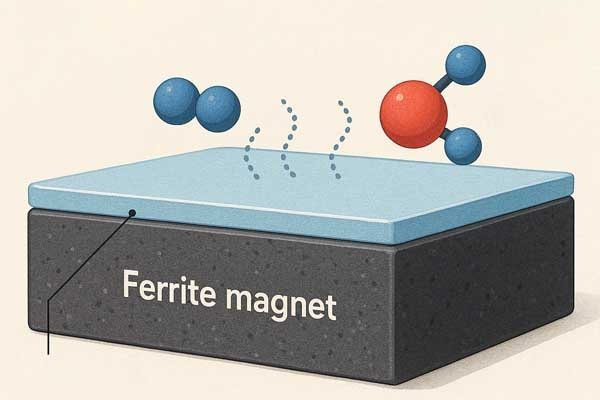
It is natural to wonder if ferrite magnets lose magnetism over time or use. This question is critical for maintenance and replacement.
Ferrite magnets can lose magnetism, but they are highly resistant to demagnetize. Loss occurs mainly from heat exposure above their Curie temperature, strong opposing magnetic fields, or physical damage. Under normal conditions, magnetism remains stable for decades.
Demagnetization happens when magnetic domains inside the magnet lose alignment. Ferrite magnets have strong coercivity[13], meaning they resist demagnetize by external fields. However, heat above 250°C causes permanent loss. Mechanical shocks can also misalign domains and reduce magnetic strength.
Understanding Demagnetize in Ferrite Magnets
The term demagnetize means the reduction or loss of magnetic field. Ferrite magnets resist demagnetize better than many types but are not immune. The coercivity of ferrite magnets helps them maintain magnetism despite external influences.
Demagnetization Factors and Resistance in Ferrite Magnets
| Cause | Effect | Resistance Level |
|---|---|---|
| Heat (>250°C) | Permanent demagnetization | Low resistance |
| Strong opposing magnetic fields | Partial demagnetization | High resistance |
| Mechanical shock[14] | Domain misalignment, reduced strength | Moderate resistance |
We can design ferrite magnets to optimize coercivity and reduce demagnetize risk. Proper use and handling ensure magnets keep their strength for years.
What are the disadvantages of a ferrite magnet?
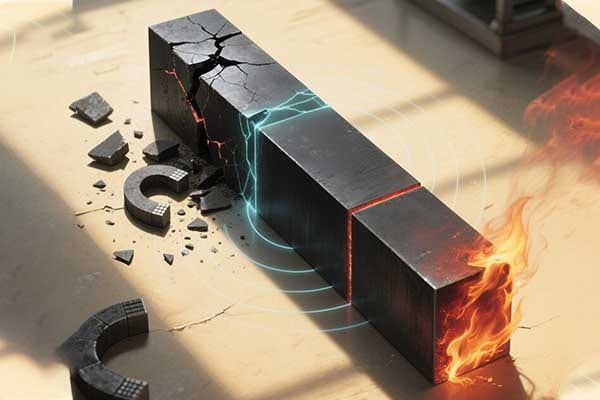
Ferrite magnets have many benefits but also some drawbacks. Knowing these helps choose the right magnet for your needs.
The main disadvantages of ferrite magnets include their brittleness, moderate magnetic strength, and sensitivity to high temperatures. They can chip easily and require larger sizes for strong magnetic fields compared to rare earth magnets.
Ferrite magnets are ceramic, so they break if dropped or stressed. Their magnetic strength is lower than neodymium magnets, which limits their use in compact, high-power devices. Also, ferrite magnets lose magnetism if exposed to temperatures above 250°C.
Challenges of Using Ferrite Magnets
While ferrite magnets are cost-effective and corrosion resistant, their physical and magnetic limitations restrict some applications. Their brittleness means they cannot handle mechanical stress well, which is a concern in motors or vibrating environments.
Disadvantages of Ferrite Magnets
| Disadvantage | Impact |
|---|---|
| Brittleness | Easy to chip or break under stress |
| Lower Magnetic Strength | Requires larger size for strong fields |
| Temperature Sensitivity | Permanent loss above 250°C |
| Moderate Energy Product[15] | Less efficient for compact, high-power uses |
We balance these disadvantages by customizing ferrite magnet shapes and grades to fit specific applications. This approach maximizes performance while controlling costs.
Which magnet is better, ferrite or neodymium?
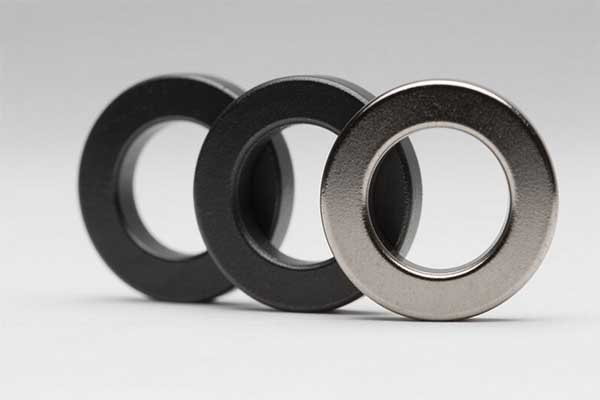
Choosing between ferrite and neodymium magnets depends on your application needs. Which one is better?
Neodymium magnets offer much higher magnetic strength[16] and compact size, making them ideal for high-performance uses. Ferrite magnets are more cost-effective, corrosion resistant, and suitable for less demanding applications[17]. The better magnet depends on your priorities like strength, cost, and environment[18].
Neodymium magnets can deliver up to 20 times the magnetic field of ferrite magnets. But they are more expensive and prone to corrosion. Ferrite magnets last longer in harsh environments and cost less, but they require larger sizes for the same magnetic effect.
Comparing Ferrite and Neodymium Magnets
When deciding between these magnets, consider factors like magnetic strength, cost, durability[19], and temperature resistance. Neodymium magnets excel in compactness[20] and power but need protective coatings. Ferrite magnets are robust and stable but bulkier.
Ferrite vs Neodymium Magnets Comparison
| Feature | Ferrite Magnet | Neodymium Magnet |
|---|---|---|
| Magnetic Strength | Moderate | Very high |
| Cost | Low | High |
| Corrosion Resistance | Excellent | Poor, needs coating |
| Temperature Stability | Up to 250°C | Up to 150°C |
| Brittleness | High | Moderate |
At M-Magnet, we provide both ferrite and neodymium magnets customized to your needs. We help you balance cost, strength, and durability for your project.
Conclusion
Ferrite magnets are ceramic magnets known for corrosion resistance and cost-effectiveness but have moderate strength and brittleness. They last decades if handled well but can lose magnetism from heat or shock. Compared to neodymium magnets, ferrite magnets offer lower strength but better temperature stability and price. Understanding these traits helps choose the right magnet. At M-Magnet, we deliver tailored ferrite magnet solutions balancing performance and cost.
Note:
About Blogger
Benjamin Li
Operation Manager of M-Magnet Company
I will bring you a full range of magnet knowledge and manufacturing experience on neodymium magnets and MagSafe magnet solutions through blogs and emails. I'm not an expert yet in magnets, but we have a whole team to help you solve technical issues, design drawing details, compatibility suggestions from magnetic assemblies, magnet purchasing and many other customized magnet solutions from China. You can follow my blogs on knowledge sharing or contact me for your own magnet solutions. We will always do the best.